

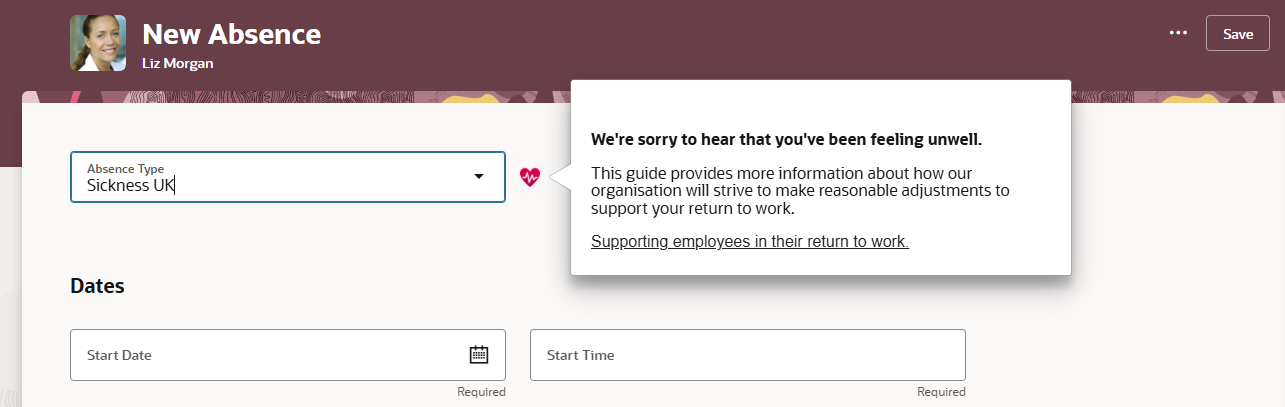
Oracle Guided Learning After Go-Live: Why OGL Needs Continuous Management
Many organisations implement Oracle Guided Learning (OGL) during major ERP or HCM transformations.
At go-live, Oracle Guided Learning (OGL) plays an important role in helping users navigate new systems, understand workflows and complete tasks with confidence.
But the real value of OGL is not restricted to the implementation. It continues after go-live.
Because enterprise systems never stand still.
-
Workflows evolve.
-
Interfaces change.
-
New functionality is introduced.
In addition, user behaviour evolves alongside the platform.
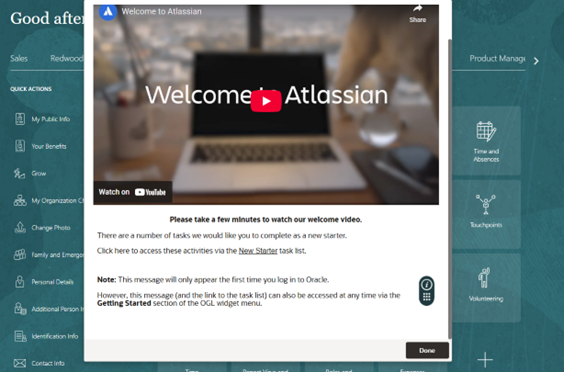
Why OGL Cannot Remain Static
Oracle Cloud applications continue to evolve through quarterly updates, introducing new capabilities and refinements across ERP, HCM, SCM and other modules.
While these updates improve functionality, they also subtly change how users interact with the system.
Over time, organisations often experience:
• guidance that no longer reflects the latest workflow
• outdated walkthroughs
• confusion around new functionality
• increased support tickets
When guidance does not evolve alongside the system, the adoption layer slowly drifts away from the user experience.
Digital adoption must evolve alongside the platform.
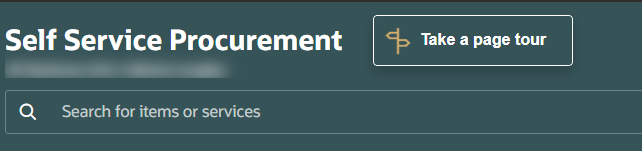
The Impact of the Redwood User Experience
Another major shift shaping Oracle Cloud adoption is the Redwood user experience.
Redwood represents Oracle’s modern system design, bringing a more intuitive, consistent user interface across applications.
This transition introduces changes such as:
• redesigned screen layouts
• improved navigation patterns
• simplified task flows
• embedded AI-assisted experiences
While these improvements enhance usability, they also change the way users interact with everyday processes.
Even small interface adjustments can create confusion when guidance no longer reflects the current experience.
This is why organisations must ensure that Oracle Guided Learning evolves alongside the Redwood experience.
Updated walkthroughs, contextual prompts, and refined smart tips help users adapt quickly to these changes and maintain confidence as they navigate the system.
Preparing for Quarterly Releases Like 26B
Oracle Cloud continues to deliver innovation through its quarterly release cycle, with updates such as 26A and the upcoming 26B release introducing further enhancements across the platform.
These updates may include:
• expanded Redwood adoption across modules
• new AI-enabled capabilities
• workflow improvements
• refinements to interface interactions
While these improvements bring significant value, they also reinforce an important reality:
Each quarterly release subtly changes the user experience.
Without updated guidance, users may struggle to adapt to new workflows or features, even when those changes are designed to simplify their work.
This is where proactive digital adoption becomes essential.
By reviewing each release and updating guidance accordingly, organisations ensure users remain confident and productive as the platform evolves.
Treating OGL as an Operational Capability
One of the most common mistakes organisations make is treating Oracle Guided Learning as a project deliverable rather than an operational capability.
Initial guidance is created during implementation, but over time:
• workflows change
• roles evolve
• new features appear
• user journeys shift
Without ongoing updates, guidance gradually becomes misaligned with how the system is actually used.
Leading organisations approach OGL differently.
They treat it as a living enablement layer, continuously refining:
• walkthroughs and learning journeys
• contextual prompts and smart tips
• role-based guidance
• in-application learning experiences
This ensures that users always receive support aligned with the current system experience.
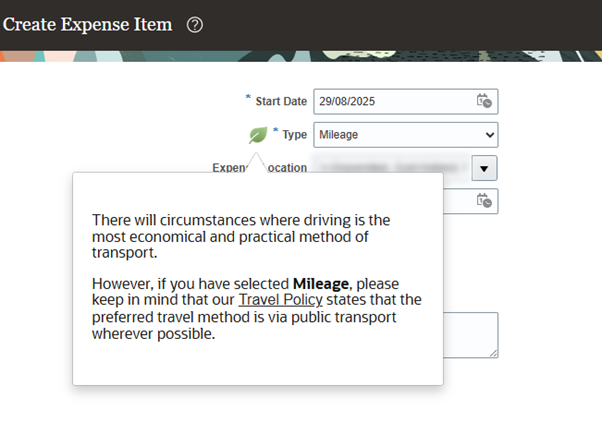
The Role of Continuous OGL Management
Effective OGL management typically includes:
• reviewing Oracle quarterly releases
• updating walkthroughs and smart tips
• refining guidance based on user behaviour and analytics
• removing outdated or redundant guidance
• aligning support with evolving workflows
Over time, this approach transforms OGL from a training tool into a strategic adoption capability.
Preparing for the Future of Digital Adoption
As Oracle Cloud applications continue to incorporate AI-driven capabilities, automation and evolving user experiences, user guidance will become even more important.
Users must not only understand how systems work, but also how to interact with intelligent features that influence decision-making and workflows.
Continuous enablement ensures that technology adoption keeps pace with platform innovation.
Conclusion
Oracle Guided Learning is most powerful when it is treated as an ongoing capability rather than a one-time implementation task.
As systems evolve through Redwood UX transitions, AI enhancements and quarterly releases like 26B, organisations must ensure that guidance evolves alongside them.
By continuously refining guidance, updating smart tips and aligning support with real user journeys, organisations can ensure that adoption remains strong long after go-live.
Learn More
Learn how Fudgelearn supports organisations through Oracle Guided Learning Managed Services.